Amersham Road rubbish collection tips for quick clearouts
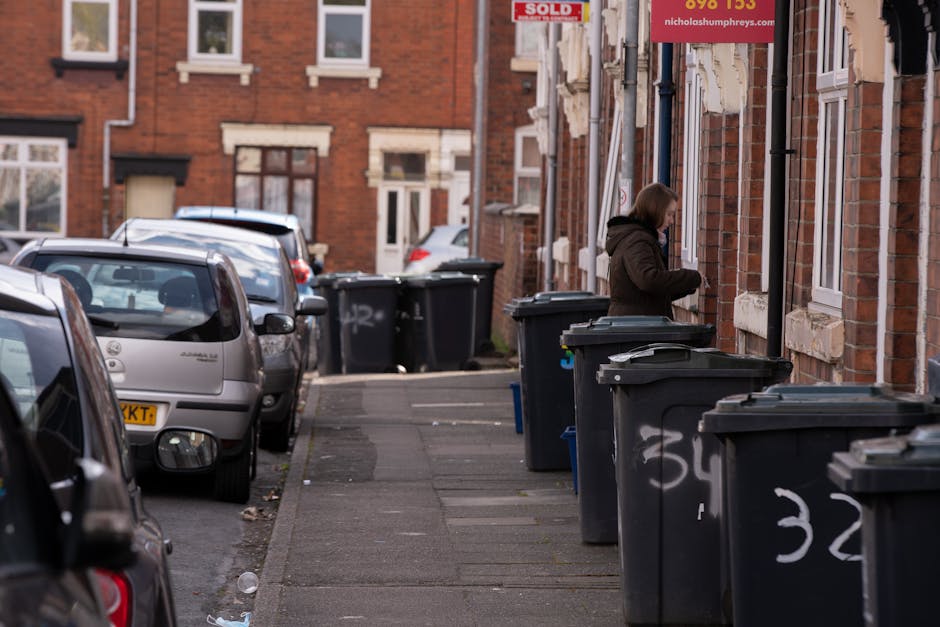
If you are staring at a growing pile of bags, broken furniture, old packaging, and a few items you meant to deal with "next weekend", you are in the right place. The best Amersham Road rubbish collection tips for quick clearouts are not about doing everything at once; they are about making the job simple, safe, and fast enough that it actually gets finished. Whether you are clearing a home, a garage, a garden, or a small worksite near Amersham Road, a smart plan will save time, reduce stress, and keep the mess from spreading into a second room. Let's face it, rubbish has a habit of multiplying when nobody is looking.
This guide walks through the quickest ways to sort, load, and remove waste without turning a tidy-up into a weekend-long headache. You will find practical tips, common mistakes, a clear step-by-step method, and a comparison of disposal options so you can choose the fastest route for your situation.
Why Amersham Road rubbish collection tips for quick clearouts Matters
Quick clearouts matter for a simple reason: clutter slows everything down. A room full of waste makes it harder to move, harder to clean, and harder to see what actually needs to go. On a practical level, a fast collection plan helps you reclaim space before the job becomes overwhelming. It also reduces the chance of damaged items being left behind because they were awkward to move or forgotten under a pile.
In homes, quick clearouts are often about regaining calm. In small businesses or rental properties, they are about avoiding delay, keeping access open, and making the place presentable again. On a busy road, timing matters too. If you are working around parked cars, shared access, or a tight frontage, you want rubbish removed efficiently and with as little disruption as possible.
There is also a safety angle. Loose rubbish, sharp edges, heavy bags, and mixed waste can all become a nuisance or a hazard if the clearout drags on. A short, well-planned collection is usually easier on your back, easier on your schedule, and easier on your neighbours. That last one is worth saying twice. Easier on the neighbours.
For many people, the real goal is not just disposal. It is momentum. Once the first load goes, the rest feels manageable. That is where the right rubbish collection approach makes all the difference.
How Amersham Road rubbish collection tips for quick clearouts Works
The basic method is straightforward: sort what you have, separate what must stay from what can go, choose the right collection method, and load everything in the fastest order. The detail is where people save time. If you sort poorly, you end up handling the same item three times. If you choose the wrong disposal method, you can lose a full day sorting out access, waiting around, or moving waste twice.
For quick clearouts, most jobs follow one of three paths. You either:
- book a waste collection or rubbish removal service for direct lifting;
- use a skip for mixed waste and load it as you go; or
- choose a more flexible option such as wait and load skip hire when you want waste taken quickly without keeping a container on site.
The right option depends on access, the type of rubbish, how much you have, and how fast you need it gone. For a small clearout, the fastest method may be different from the cheapest. That is normal. Speed and value do not always point to the same answer.
If you are unsure what can safely go into mixed waste, it helps to check what can go in a skip before you start. A few minutes of checking can stop a lot of awkwardness later, especially if you have bulky or unusual items in the pile.
Key Benefits and Practical Advantages
A good rubbish collection plan offers more than just a clear floor. It changes how the whole clearout feels. Instead of a vague, endless job, you get a defined process with a beginning and an end. That alone is a relief.
- Faster room clearance: clear pathways first, then remove bulky items, then deal with the small stuff.
- Less double handling: a proper sort means you do not keep moving the same pile from one corner to another.
- Lower stress: when the waste leaves quickly, the property starts looking finished, not half-done.
- Better safety: fewer trip hazards, fewer sharp edges, and fewer unstable stacks.
- More usable space: you see the real size of the job, which makes planning easier.
- Cleaner end result: with the waste gone, sweeping and final tidying take far less time.
There is a quieter benefit too. Quick clearouts tend to improve decision-making. Once the room is open, you can finally tell what is worth keeping and what is just taking up emotional rent. A dusty chair in the corner often looks more sentimental before the clearout starts than after.
If your project involves heavier or builder-style waste, it can be worth looking at options such as builders waste removal or builders skip hire. Those services are better suited when the job includes rubble, timber offcuts, packaging, or renovation debris.
Who This Is For and When It Makes Sense
These tips are useful for anyone who needs rubbish cleared quickly without turning the day into a muddle. In practice, that includes homeowners, landlords, tenants moving out, tradespeople between jobs, offices clearing storage, and people dealing with a one-off build-up after decorating or gardening.
It also makes sense when you have a deadline. Maybe a tenancy handover is looming. Maybe you need to open up a garage before a delivery. Maybe the front room has become the unofficial home of old chairs, boxes, and a broken appliance that has been "on the list" for months. Sound familiar? You are not alone.
Some clearouts are too small for a full skip and too awkward to do by car alone. That is where options like man and van or grab hire services can be a better fit. They are particularly useful when access is limited or you want waste lifted without doing all the loading yourself.
For domestic jobs, a quick clearout may pair well with domestic skip hire. For a business environment, you may prefer commercial skip hire or a specialist service like office clearance if desks, files, and furniture are involved.
Step-by-Step Guidance
If you want speed, follow a simple sequence. It sounds obvious, but clearouts go smoother when you stick to a method rather than jumping around the room.
- Set the finish line. Decide what "done" means. Is it an empty loft? A cleared hallway? A garage that can fit the car again?
- Sort waste by type. Put general rubbish, bulky items, recyclable materials, and anything potentially restricted into separate piles.
- Pull out valuables and keep items. Check pockets, drawers, shelves, and under furniture before anything leaves the property.
- Identify awkward waste early. Appliances, mattresses, furniture, or confidential paperwork may need special handling.
- Choose the fastest collection route. Small, mixed jobs may suit same day skip hire; other jobs are better handled through direct collection.
- Clear the route first. Move waste so it can be taken out without squeezing through narrow gaps or blocking the whole room.
- Load in the right order. Heavy, flat items go in first. Light, awkward, or crushable waste comes later.
- Finish with a sweep. The quickest clearouts always end with a proper final tidy. It makes the whole effort feel complete.
One small but useful trick: keep a "decision box" for items you are not sure about. If you stop every five minutes to debate one old kettle, progress dies. Put it aside, keep moving, and decide later. That little habit saves more time than you'd think.
If the clearout is mainly household clutter, house clearance can be a sensible route. If it is a loft, shed, or garage that has become a storage black hole, garage and loft clearance may be the smoother option.
Expert Tips for Better Results
After enough clearouts, you start to notice what slows people down. It is rarely the actual lifting. It is the indecision, the poor pile placement, and the fact that everyone underestimates how much room old packaging can take. A few expert habits make a real difference.
- Start with the easiest wins. Remove obvious rubbish first. Seeing empty space early keeps momentum going.
- Use a single staging area. Pick one spot where everything waits before collection. Two staging areas just creates confusion.
- Break bulky items down where safe. Flat-pack furniture, cardboard, and certain timber items are easier to move if reduced in size.
- Keep an eye on access. Doorways, stairwells, and pavements can become the bottleneck. Plan for the physical route, not just the pile.
- Check the weather if waste will sit outside. Rain turns cardboard into mush and makes some loads far heavier than they look.
- Be realistic about volume. A pile that looks "about one room" can fill more than one container once separated properly.
For awkward access, it may be worth exploring enclosed and lockable skip hire or grab lorry hire. These can be useful when security, access, or large volume makes a standard approach less convenient.
And if you are dealing with mixed rubble or soil, services like muck away services can save a lot of manual handling. Truth be told, nobody wants to shovel broken hardcore twice.
Common Mistakes to Avoid
The fastest clearouts are often the ones that avoid a handful of very ordinary mistakes. Nothing dramatic. Just the sort of things that quietly eat an afternoon.
- Mixing everything together too early. Once you blend rubbish, recycling, and special items into one pile, sorting becomes slower and messier.
- Leaving awkward items until the end. A mattress, fridge, or sofa can become the job's biggest delay if you do not plan for it from the start.
- Ignoring access restrictions. A narrow path, permit issue, or blocked driveway can throw the whole timetable off.
- Underestimating heavy waste. Bags of broken tile, soil, or damp waste weigh far more than they look.
- Filling a container badly. Random loading creates wasted space and can force an extra collection.
- Assuming all waste is treated the same. Some items need special handling, and mixing them in with general rubbish is not a good idea.
One of the most common slip-ups is waiting until the end of the project to think about collection. By then, the waste is often spread out, mixed up, and somehow larger than you remember. A better way is to plan the removal before you start the clearout, not after.
If you have old appliances, remember that fridge and appliance removal may be more appropriate than general rubbish collection. The same applies to furniture-heavy jobs where mattress and sofa disposal is needed.
Tools, Resources and Recommendations
You do not need a van full of equipment to do a quick clearout well. But a few simple tools make the work faster and safer.
- Heavy-duty bags: useful for mixed waste and light debris.
- Gloves: basic protection for sharp edges, dust, and grime.
- Box cutter or small hand tools: handy for breaking down cardboard or dismantling lightweight items.
- Dustpan and brush: for final tidy-up once the bulk is gone.
- Tape and markers: good for labelling keep, donate, recycle, and remove piles.
- Trolley or sack truck: helpful for heavier loads and longer internal runs.
For planning, it also helps to read the service pages that explain waste handling in more detail. If you are comparing disposal methods, start with skip sizes and prices so you can estimate volume sensibly. Then look at skip hire if you think the waste will take more than a quick one-off lift.
For jobs where timing matters, book online can be a convenient way to keep things moving. And if you want to understand responsible disposal better, recycling and sustainability is worth reviewing before you decide what should be reused, recycled, or removed as general waste.
Law, Compliance, Standards and Best Practice
Waste removal in the UK is not just a matter of convenience. You should always make sure waste is handled responsibly and passed to a legitimate carrier or collection service. That is the safest approach for both domestic and commercial clearouts.
For householders, the key best practice is simple: do not leave waste with someone who cannot clearly explain where it goes. For businesses, there is usually a stronger duty to keep records, manage duty of care sensibly, and separate different waste streams where practical. If confidential documents are involved, a service such as confidential shredding is a better fit than general waste disposal.
Hazardous items need extra caution. Paints, solvents, chemicals, and some electrical items should not be treated like normal rubbish. If in doubt, treat the item as separate and ask for the correct disposal route. That is one of those moments where a little caution saves a lot of trouble.
Permits and access rules may also matter if a skip or container sits on a public road or other restricted space. In those situations, pages such as skip hire permits and skip permits can help you understand what is needed before collection day. The main point is not to guess. Plan it properly and you will avoid delays.
Good providers should also be clear about safety, payment, and service expectations. If those details matter to you, it is sensible to review health and safety policy, insurance and safety, and payment and security. It is not glamorous reading, but it tells you a lot about how seriously a company treats the job.
Options, Methods, or Comparison Table
Choosing the fastest clearout method depends on space, waste type, and how hands-on you want to be. The comparison below keeps it simple.
| Method | Best for | Main advantage | Watch out for |
|---|---|---|---|
| Rubbish removal | Quick house, garden, or mixed waste clearouts | Fast lifting and direct removal | May suit smaller or more targeted jobs best |
| Skip hire | Ongoing clearouts, renovations, bulk waste | Loads stay on site until you are finished | Needs space and may need permit planning |
| Wait and load | Quick roadside or short-stop collections | No container left behind | You need to be ready to load promptly |
| Grab hire | Heavy, bulky, or awkward waste in volume | Handles substantial loads efficiently | Access and placement still matter |
| Man and van | Small to medium clearouts with lifting help | Flexible for odd-shaped waste and quick pick-ups | May be less suitable for very large volumes |
If you are still deciding, one useful rule is this: if the rubbish is mostly sitting in one place and you need it gone quickly, direct collection can be ideal. If the waste will build up over a few days, skip hire may be the calmer choice. Simple enough, really.
Case Study or Real-World Example
Imagine a typical clearout near Amersham Road: a front room with old shelving, packaging from a recent delivery, a broken chair, a few bags of mixed clutter, and a cupboard full of items that should probably have been dealt with years ago. The first instinct is often to start dragging things out in any order. That usually creates a mess in the hallway and a lot of back-and-forth.
A better approach is to stage the job. First, remove obvious rubbish from the room. Second, pull out reusable or keep items and place them in a separate box. Third, break down the chair if it is safe to do so. Fourth, gather all bagged waste in one route-friendly area. Finally, arrange the collection once everything is ready to go.
What tends to surprise people is how much faster the room feels once the first few items leave. By the time the bulky stuff is sorted, the job no longer feels huge. You can see the floor. You can hear your own footsteps again. The room starts to breathe a bit.
For a slightly larger job, the same logic applies to sheds, garages, or renovation debris. If the pile includes mixed builders waste, construction waste disposal or construction waste clearance may be a better fit than a general tidy-up service. For demolition-heavy loads, demolition waste removal can be more appropriate.
Practical Checklist
Use this checklist before collection day so the clearout stays quick.
- Decide what must be kept, donated, recycled, or removed.
- Check for confidential papers, sharp items, and hazardous waste.
- Separate bulky items from general rubbish.
- Confirm the access route from the property to the collection point.
- Measure awkward items if space is tight.
- Choose the collection method that fits the waste volume.
- Review whether a permit or special arrangement may be needed.
- Keep the loading area clear and dry where possible.
- Have gloves, bags, tape, and a broom ready.
- Leave a final sweep and a quick check for missed items.
One more small thing: if the job involves outdoor waste or a garden reset, you may also want to look at garden waste removal. It keeps green waste separate from mixed household clutter, which is often a cleaner and easier way to work.
Get a free quote today and see how much you can save.
Conclusion
The quickest rubbish collection jobs are rarely the fanciest ones. They are the jobs that are planned clearly, sorted sensibly, and removed without unnecessary backtracking. If you want a fast clearout on or near Amersham Road, focus on three things: decide what is going, choose the right method, and make sure the waste is ready before collection begins.
That simple approach saves time, avoids stress, and gives you a result that feels properly finished rather than half-cleared. And honestly, once the space is open again, the whole property feels better. Brighter. Easier. Less noisy in the head, too.
If you are ready to get moving, a well-chosen removal or skip option can turn a messy day into a neat one. That is the aim, after all. A clear space has a way of making everything else feel more manageable.
Frequently Asked Questions
What is the fastest way to clear rubbish from a property near Amersham Road?
The fastest method is usually the one that matches the waste type and access. For small mixed jobs, direct rubbish removal can be quickest. For larger or ongoing clearouts, skip hire may be easier because you can load as you go.
Do I need to sort rubbish before collection?
Yes, a bit of sorting makes the job much faster. Separate keep items, general rubbish, recyclables, and anything special like appliances or confidential paperwork before the collection team arrives.
Is same-day collection always available?
Not always, but it can be a useful option for urgent clearouts. Availability usually depends on the time of booking, the type of waste, and the collection route for that day.
Should I choose skip hire or rubbish removal for a quick clearout?
If you want the waste gone in one go with minimal lifting, rubbish removal can be very efficient. If you need a bit more time to fill the waste over a day or two, skip hire may suit you better.
What items need special attention during a clearout?
Appliances, mattresses, sofas, confidential documents, and hazardous materials often need specific handling. They should be checked separately rather than dropped into a mixed pile without thought.
Can I use a skip for household rubbish and bulky items?
Usually, yes, as long as the items are allowed in the container and the load is managed properly. It is always wise to check the provider's guidance on acceptable waste before loading.
What is the benefit of wait and load skip hire?
It is useful when you want skip-style removal without leaving a container on site. That can be handy where space is tight or you need a short, efficient loading window.
Do I need a permit for rubbish collection?
Usually not for standard rubbish removal, but permits may be relevant if a skip is placed on a public road or other controlled area. It is best to check this before arranging the collection.
How do I avoid overfilling a skip or waste load?
Load flat items first, break down waste where safe, and keep an eye on bulky shapes that create dead space. A little structure makes a big difference.
What should I do with old fridges or appliances?
These are often better handled through appliance-specific disposal rather than general rubbish collection. It keeps the process cleaner and helps ensure the item is dealt with correctly.
Is a quick clearout suitable for garages and lofts?
Absolutely. In fact, these spaces often benefit the most because they fill up quietly over time. A focused collection can free a lot of room very quickly.
How do I know which service page to look at first?
Start with the waste type and the size of the job. For mixed domestic waste, domestic skip hire or rubbish removal may be a good starting point. For heavier renovation waste, builders or construction-related services are usually more relevant.